
 Mr. AmeriNZ himself, Arthur asked:
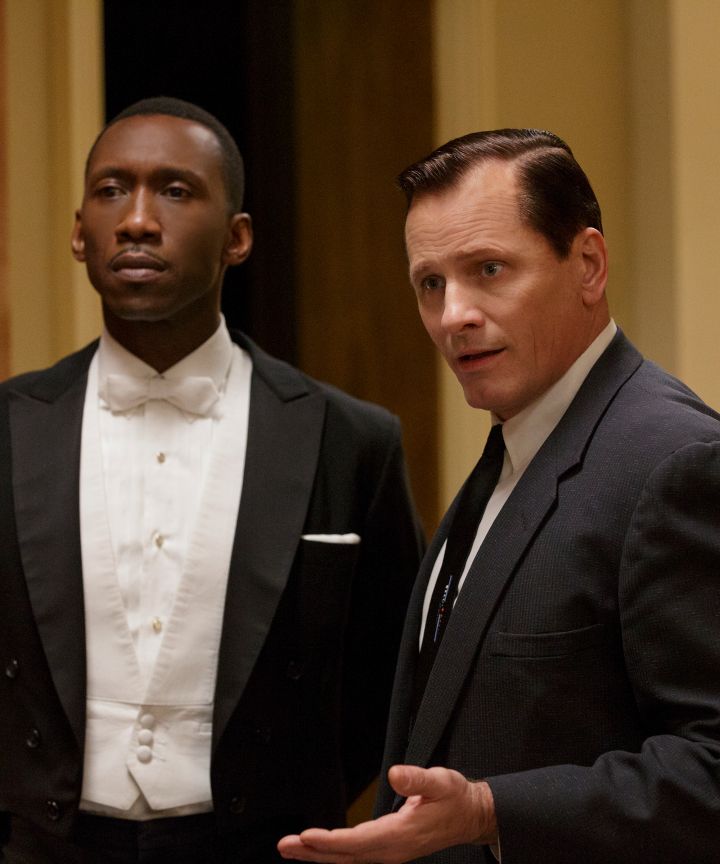
What do you make of the criticism of “Green Book” that it’s basically “Driving Miss Daisy”, with roles reversed, but still the Magic Negro “saving” the white person making them better. Spike Lee was apparently very angry about their award.
I suppose I should discuss what the Magical Negro/Magic Negro/Mystical Negro is. Wikipedia notes: “The Magical Negro is a supporting stock character in fiction who, by use of special insight or powers often of a supernatural or quasi-mystical nature, helps the white protagonist get out of trouble.
“African-American filmmaker Spike Lee popularized the term, deriding the archetype of the ‘super-duper magical negro’ in 2001 while discussing films with students at Washington State University and at Yale University.” Spike said, specifically to some British reporters, that Green Book was “not my cup of tea.”
TVtropes adds: “In fact, the Magical Negro really seems to have no goal in life other than helping white people achieve their fullest potential; he may even be ditched or killed outright once he’s served that purpose.” Key and Peale famously had a comedic Magical Negro Fight.
“Lee’s grumbling about ‘magical Negroes’ came amid a spate of films that included The Family Man, The Green Mile, and The Legend of Bagger Vance, all of which featured black characters with mystical powers that were employed entirely for the benefit of white leads.”
I don’t know the former, but I saw The Green Mile and I know enough about the latter to put them both in the category.
I don’t have room to address all the possible films considered in the category, but I think the consideration of Morgan Freeman in either The Shawshank Redemption or Bruce Almighty (where he plays God) as a magic Negro is absurd.
As for Green Book, I think Don Shirley was hardly the docile, helpful black person to make white person Louis Lip’s life better. It seems that they learned from each other.
To that end, some critics complain that Green Book is a “‘but also movie, a both sides movie’ that draws a false equivalency between Vallelonga’s vulgar bigotry and Shirley’s emotional aloofness, forcing both characters — not just the racist white dude — to learn something about themselves and each other.” That’s a different complaint, possibly a function of Vallelonga’s son co-writing the screenplay.
Oddly, Green Book sort of reminded me of – and I haven’t seen it since it was first released – Rain Man (1988). Charlie (Tom Cruise) has one sense of his brother Raymond (Dustin Hoffman), but has seen the light by the end of a six-day trip.
Read how Mahershali Ali changed a pivotal scene, saving the movie from falling into the “white-savior” trope, sort of the variation on the magical Negro.
 Rev. Liz Theoharis from the
  As you may know, I’ve had various technical difficulties with this blog over the past couple months. First, the site was down over six hours in January, a result of two plugins – Really Simple Cache and W3 Total Cache – clashing; I kept the latter.
 I woke up on my birthday morning this month thinking about the king in chess. It’s the weakest piece, except for the pawns. It can only move one space at a time, save for
 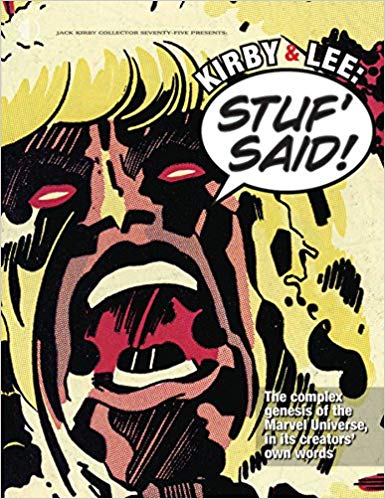 My friend Rocco, who is as responsible for me blogging – he told me about Fred Hembeck’s blog – emailed me recently. “I am reading the new book titles Stuf’ Said! about Jack and Stan. They quote you from FF Chronicle. The book is great.”
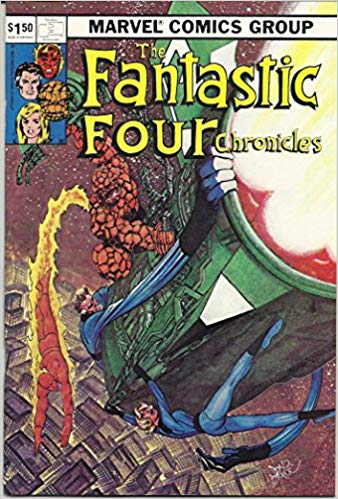 However, when I sent the questions, he declined to respond to a number of them, so I came up with alternate queries. He DID mention the FF. From Stuf’ Said: (p. 130): “He also expressed his dismay to the interviewer over Marvel’s uncompensated reuse of his Fantastic Four animation storyboards to make a ‘new’ Lee/Kirby story in Fantastic Four #236.”